
HMO Licensing Fees Could Be Passed to Tenants Through Higher Rents: What Bolton Council's Scheme Tells Us
Bolton Council is introducing a new HMO licensing scheme and has acknowledged the cost could feed through to higher rents. What landlords, deal sourcers and investors need to know.
2 September 2026 · Vestos Property
What Bolton Council has announced
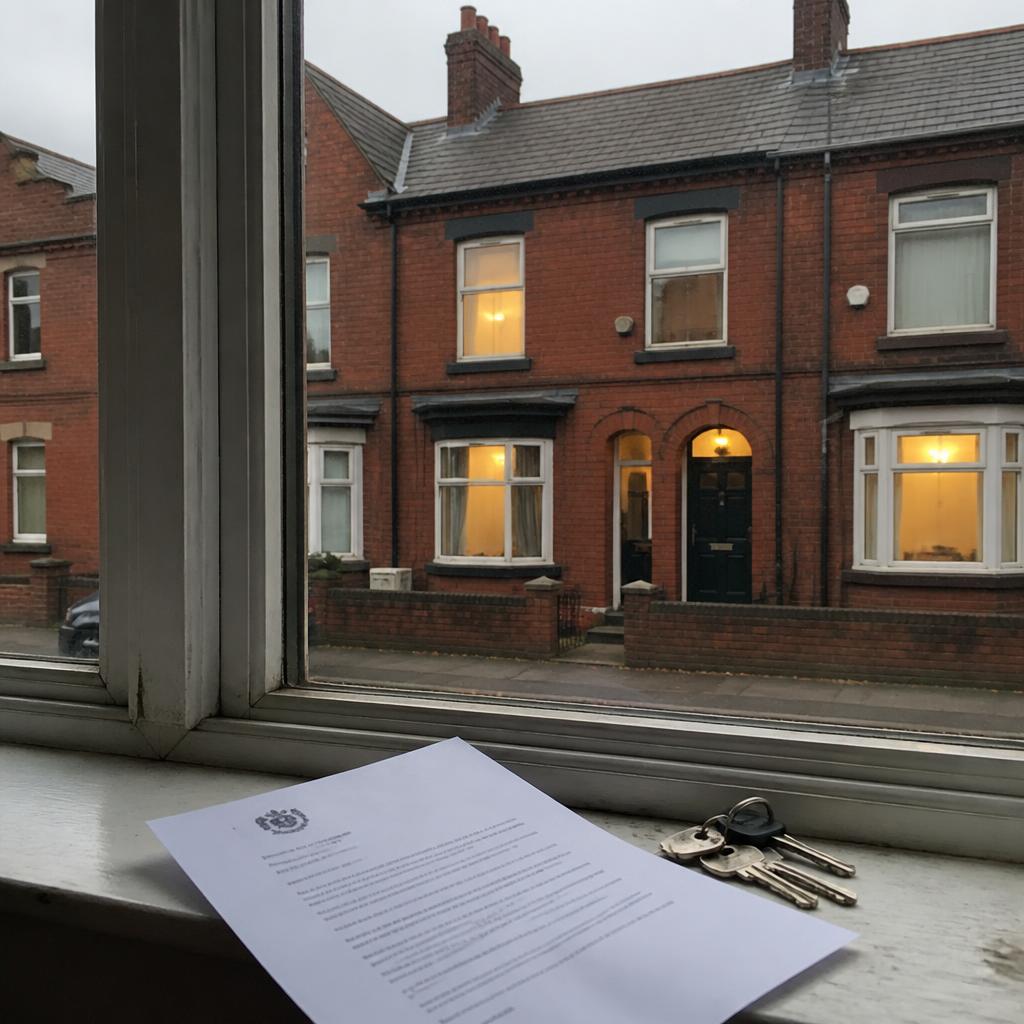
Bolton Council is bringing in a new HMO licensing scheme next year, and in its own communications it has effectively acknowledged that the cost of the scheme could show up in higher rents for tenants.
The headline numbers:
- £1,211 for a five-year HMO licence — a cost most HMOs in the area will need to pay to trade legally
- Over 1,000 complaints in the last three years about disrepair issues such as damp, fire safety and overcrowding — the rationale the council is using for the scheme
- Fines of up to £40,000 for landlords who continue to operate an unlicensed HMO once the scheme is live
Bolton is the latest example, but it follows a pattern seen across England: more licensing, higher compliance costs and tighter enforcement powers for local authorities.
Why licensing fees tend to reach tenants
Licensing is a fixed operating cost. Landlords running HMOs on tight margins have three broad options:
- Absorb the cost, which compresses yield
- Pass it on through rents, either at renewal or between tenancies
- Exit the strategy — sell up, or convert the property back to a single let
In practice, a five-year licence at £1,211 works out at roughly £20 a month per property — but that is before the associated compliance work: fire doors, alarms, certificates, inspections and management time. Once those are priced in, upward pressure on room rents is a realistic outcome, particularly in areas with limited rental supply.
What this means for landlords
- Check whether your property falls in scope. Mandatory licensing already covers larger HMOs nationally; additional and selective schemes vary council by council. Do not assume Bolton''s approach stops at Bolton.
- Budget for compliance as a running cost, not a one-off. Enforcement is increasing and fines are material — up to £40,000 for operating unlicensed.
- Review your paperwork now. Councils running these schemes typically cite damp, fire safety and overcrowding complaints. A documented inspection and maintenance trail is your best defence.
- If the numbers no longer stack up, selling or switching strategy is a legitimate choice — and there are buyers actively looking for ex-HMO and tired rental stock.
What this means for deal sourcers and investors
- Underwrite conservatively. When assessing HMO deals in areas with new or expanding licensing, model the licence fee, compliance works and potential rent sensitivity — not just headline room rates.
- Watch for motivated sellers. The "accidental HMO" segment — landlords who drifted into shared housing without planning for regulation — often exits when schemes like this arrive. That can create genuine below-market opportunities.
- Better-run HMOs may stand out more. As weaker operators leave, compliant, well-managed houses can benefit from reduced competition and stronger tenant demand.
The bigger picture
Whether or not you agree with licensing schemes, the direction of travel in the private rented sector is clear: higher standards, higher costs and stronger enforcement. Landlords and investors who treat compliance as part of the business model — rather than an irritation — are the ones best placed for the long term.
Source: Property118 — "HMO landlords could pass licensing fee on to tenants through higher rents" (property118.com).
Get in touch
If you are a landlord weighing up whether to keep, compliance-proof or sell an HMO — or an investor looking for properly assessed opportunities — speak to Vestos Property. We work with owners and investors across the UK and can talk through your options in plain English.
This article is for general information only and is not financial, legal or investment advice. Vestos Property (a trade name of Proinvestos Ltd) is not authorised by the Financial Conduct Authority. Always take independent professional advice before making property or investment decisions.